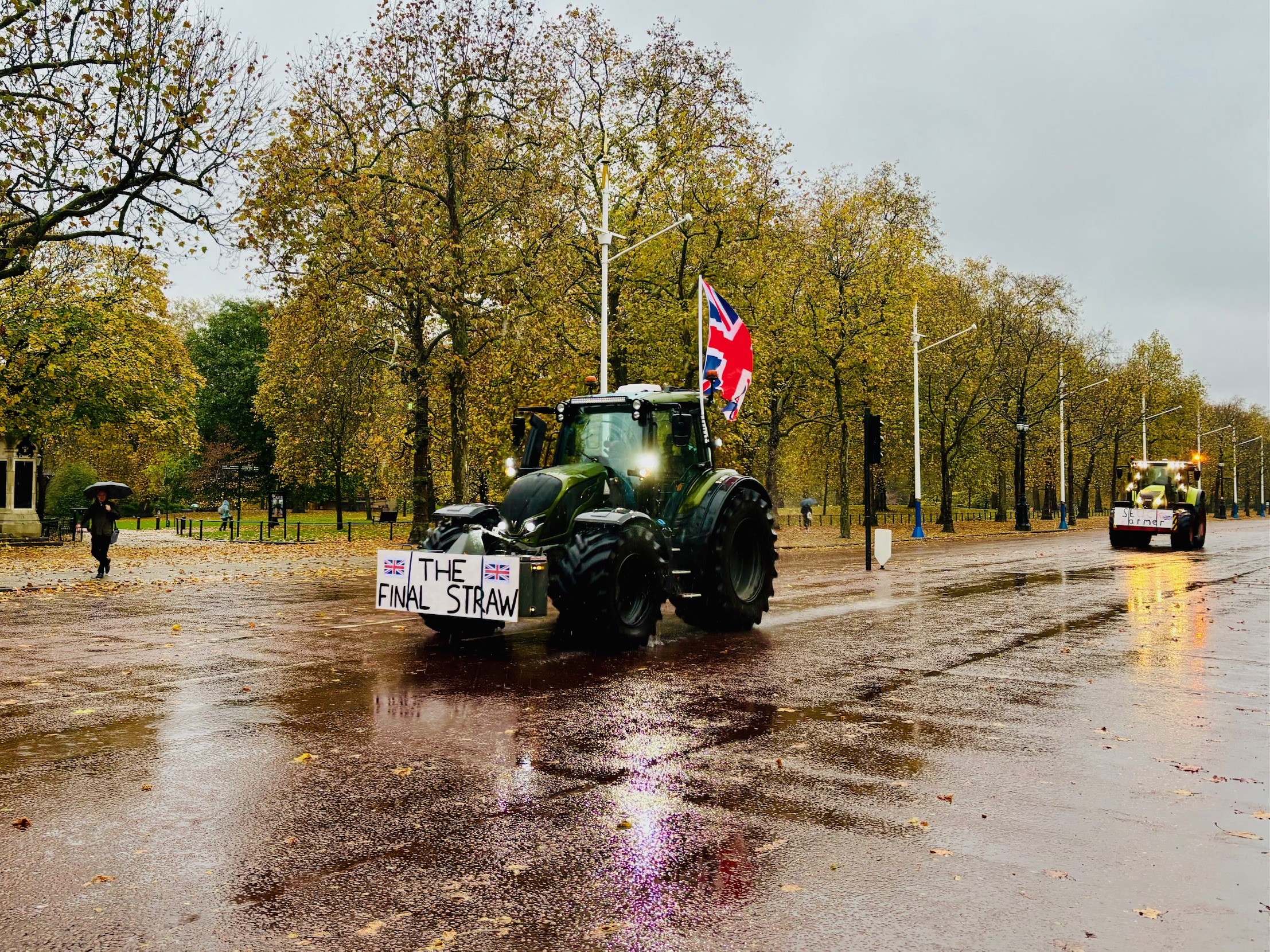
Image credit: A tractor, as seen in The Mall, London, during the farm protests in November 2024. The tractor is adorned with a sign reading ‘The Final Straw’ (Photo by Felicity McWilliams).
Moments of rural unrest can be long-simmering or very short-lived. They can be explosively public or orchestrated in hidden ways by secretive perpetrators of direct action. They can be linked to wider social and cultural moments and movements or may be part of parochial or pastoral concerns. So, how do we begin to grapple with these slippery histories through museum practice?
From interrogating the archive for clues to past uprisings to immersive explorations of contemporary movements, and from retrospective acquisition long after ephemeral events have passed to the challenges of rapid response collecting, this seminar will attempt to explore the who, what, how, where, and why of rural protest. We will combine the perspective of a social scientist attempting to infiltrate and investigate current farm campaigns and movements, the carefully researched understanding of an historian of contested rural space, with reflections from our own community on different ways that museums might seek to answer the call.
So, we asked participants to this seminar in November 2025 to paint their questions on a metaphorical placard, share their thoughts on a conceptual banner, and to join us we marched our way to the heart of this fascinating museological challenge.
This session was hosted by Ollie Douglas, Curator at the Museum of English Rural Life.
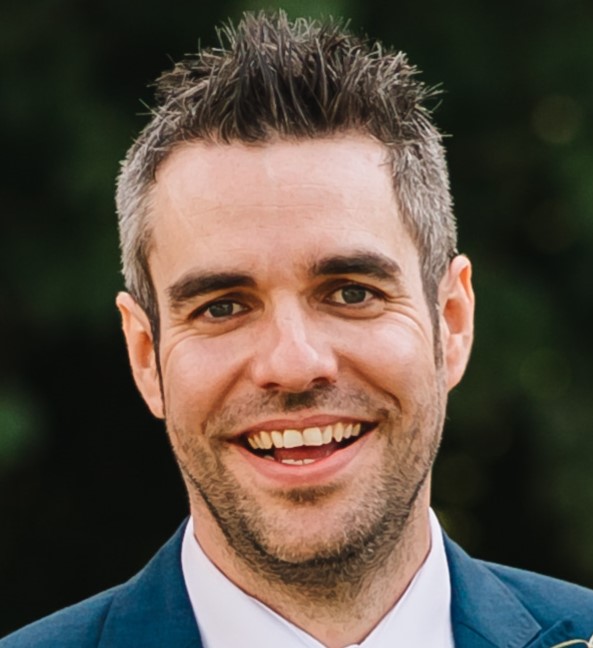
Tom Carter-Brookes is an environmental activist and second year Leverhulme Doctoral Scholar looking at sustainable rural futures. His previous research looked at the intersections between the 2024 Welsh Farmer Protests and resistance to net-zero policies in agriculture. His ongoing PhD work looks at the wider contestations of green agricultural transitions in the UK and how this plays out in the everyday lives of farmers.
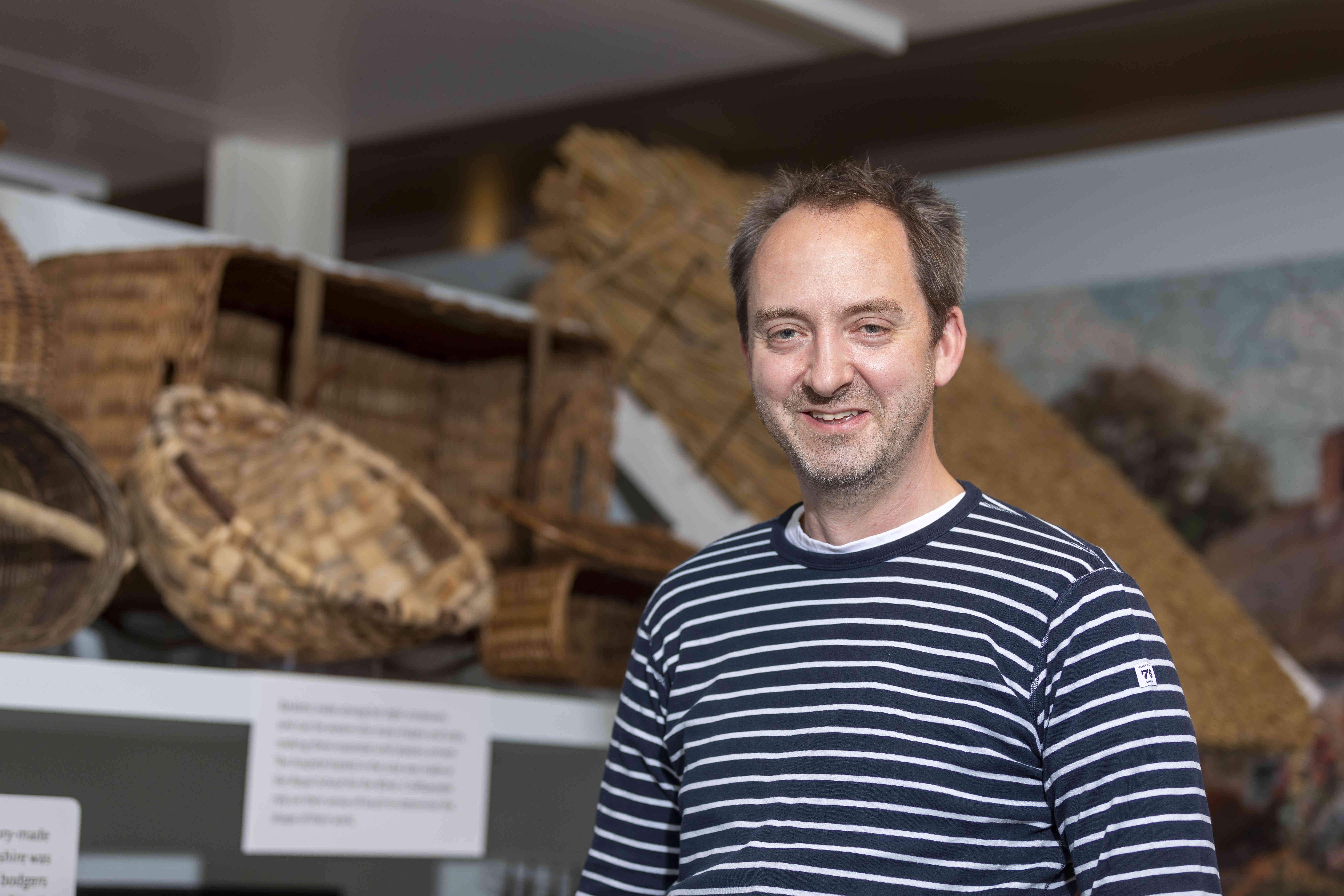
Ollie Douglas is Curator of the Museum of English Rural Life (The MERL), University of Reading. He narrowly escaped a life on the farm, only to find himself in a big shed of rural stuff, working to engage diverse stakeholders in the heritage and history of food, farming, and the countryside. He served as President of the ICOM-affiliated International Association of Agricultural Museums and on the committees of the Rural Museums Network, Folklore Society, and Museum Ethnographers’ Group. He currently serves on the committee of the British Agricultural History Society and is co-host of The MERL podcast, Absolute Units.
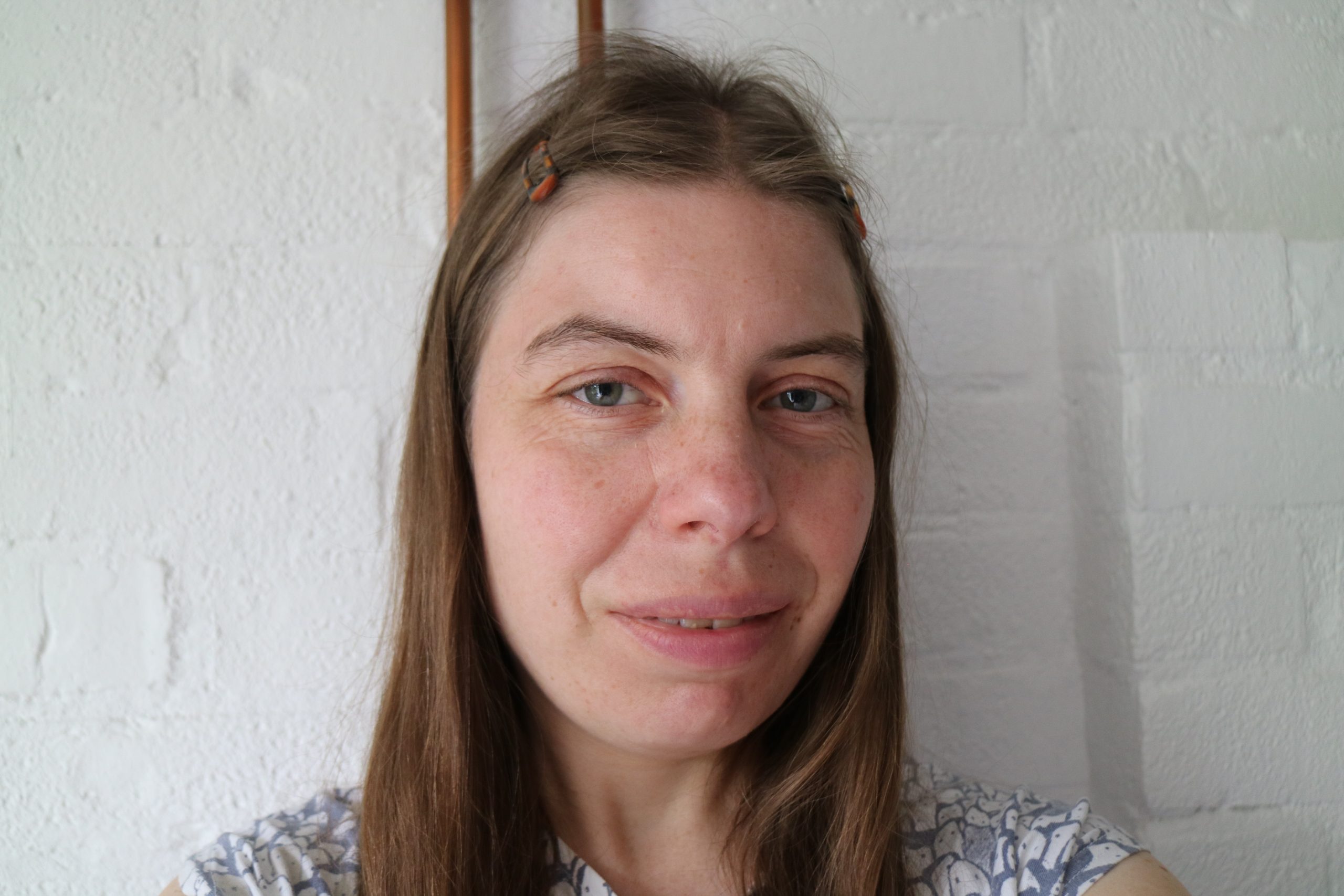
Katrina Navickas is Professor of History at the University of Hertfordshire. She researches the history of protest, public space, and landscapes in England. Her next book, Contested Commons: a History of Protest and Public Space in England, will be published by Reaktion Books in November 2025. She was MERL Open Spaces Society fellow, 2020–2021. She is a founder of the Rural Modernism Network, examining twentieth century infrastructure in rural environments.
Presentations from Ollie Douglas and Katrina Navickas are available to view on the Rural Museums Network’s YouTube Channel here>>